Storm Damage Roof Repair
Roofs Built to Handle What Storms Leave Behind
Storm Damage Roof Repair in Montgomery for properties with wind-lifted shingles, hail impact, and water intrusion after severe weather
Texas storm systems bring high winds, hail, and torrential rain that tear shingles loose, crack flashing, and drive water into attic spaces before homeowners notice the damage. Rigid Roofing handles storm damage roof repair in Montgomery and The Woodlands with structural assessments that identify compromised decking, saturated insulation, and hidden leak paths that spread beyond the visible impact zone. After assessment, repairs restore wind resistance and seal penetration points so the roof performs through the next storm season.
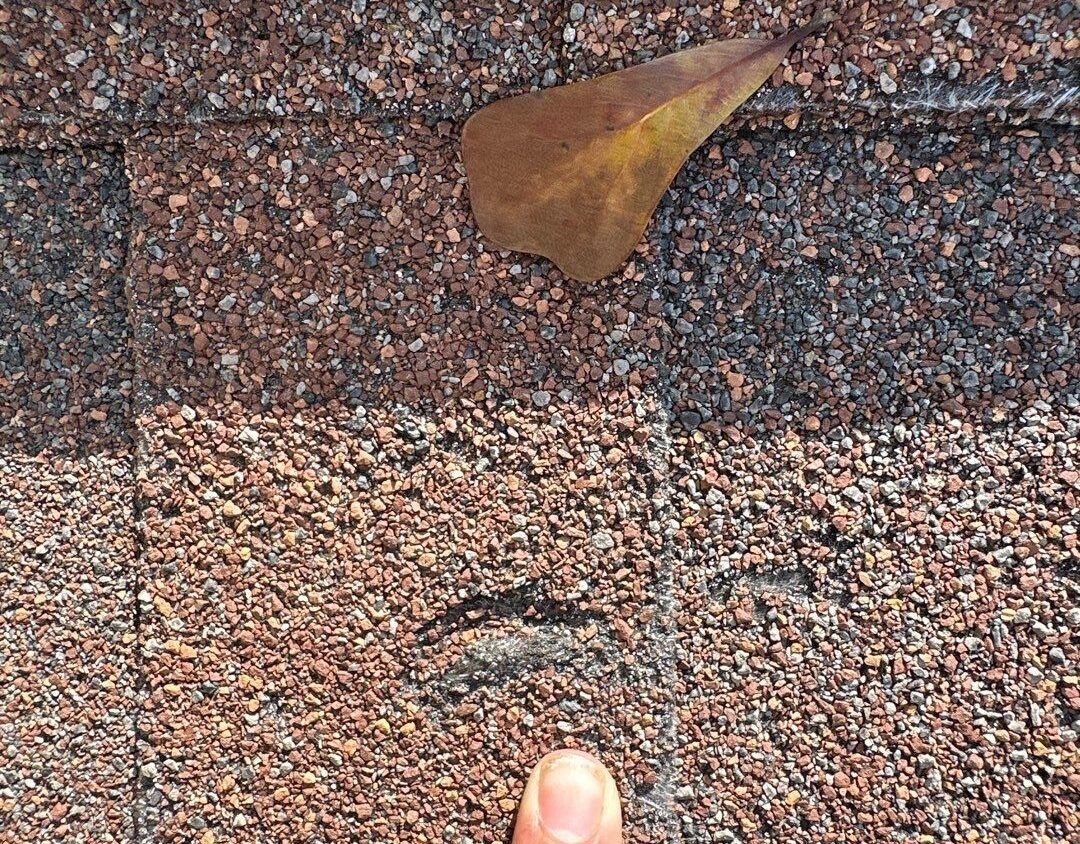
Storm damage typically shows up as missing shingles, dented vents, lifted ridge caps, or ceiling stains that appear days after the weather clears. Hail creates bruising that weakens the granule layer and accelerates shingle aging, while wind uplift breaks the seal strips and exposes fasteners to moisture. Repairs address both the visible failures and the underlying vulnerabilities that expand if left unrepaired.
Schedule a post-storm roof inspection to document damage extent and identify necessary structural repairs.
What Proper Storm Damage Repair Requires
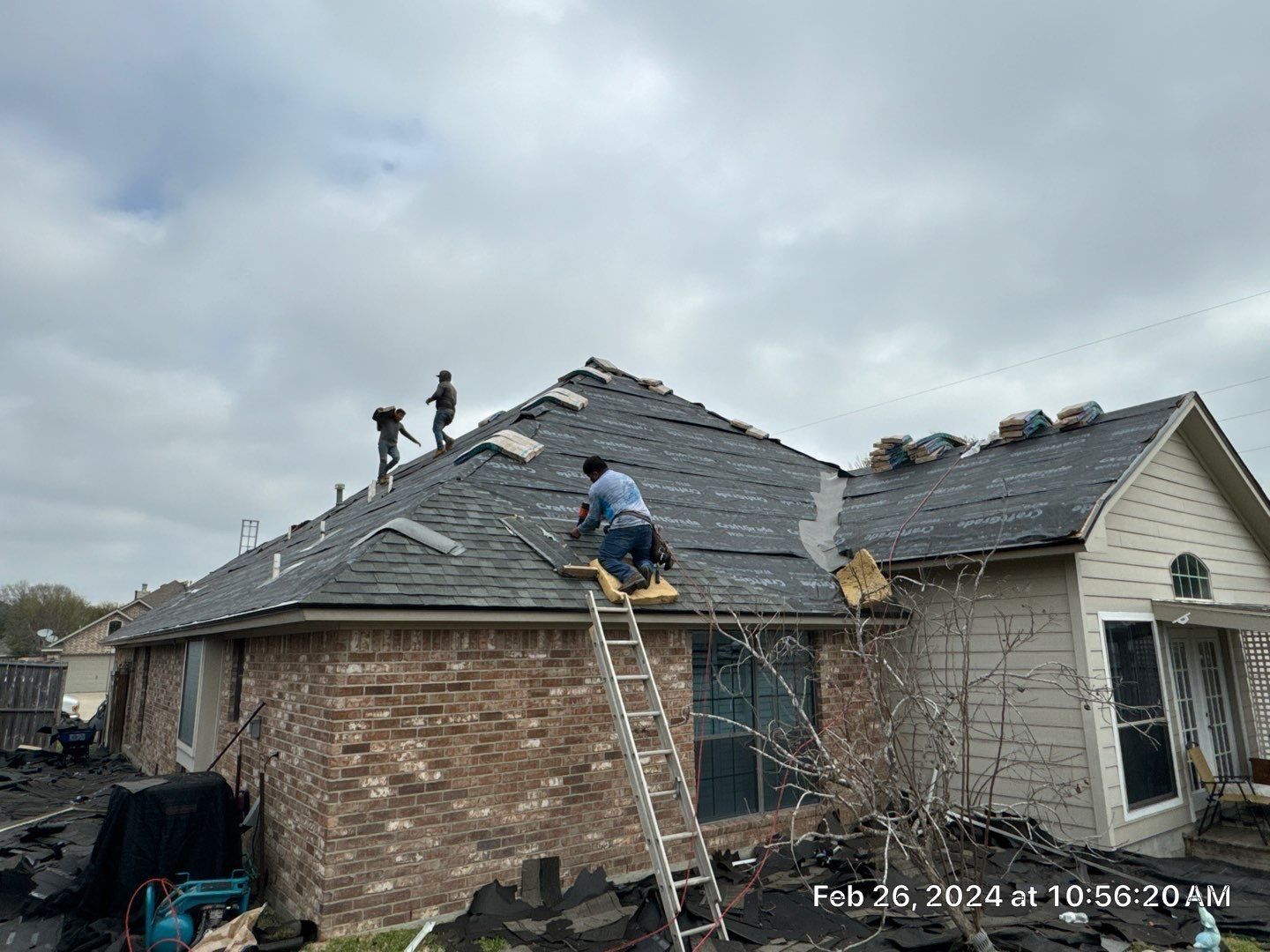
Storm repair begins with a full roof deck inspection to locate soft spots, split boards, and water-damaged sheathing that compromise fastener holding power. Damaged decking gets replaced before new shingles go down, and underlayment layers are rebuilt to restore the waterproof barrier. Flashing around chimneys, skylights, and valleys is refitted to prevent the same leak paths from reopening during the next heavy rain.
Once repairs are complete, you'll notice shingles that lie flat and uniform, vents that sit flush without dents, and ridge caps that follow a straight line without gaps. Inside, ceiling stains stop spreading, attic insulation dries out, and the musty odor from trapped moisture disappears. The roof regains its wind rating and stops telegraphing every rainstorm into the living space below.
Storm repairs often require matching existing shingle colors and styles to avoid a patchwork appearance, and some damage patterns justify full replacement when repairs would cover more than forty percent of the roof surface. Insurance adjusters evaluate wind speed, hail size, and damage density to determine coverage, so documentation during the initial inspection becomes critical for claim approval.
┌ Questions Before Starting Your Storm Repair ┐
Storm damage assessment often raises questions about timing, insurance coordination, and whether repairs will hold through future weather events in Montgomery and The Woodlands.
How soon after a storm should I schedule an inspection?
Inspections should happen within a few weeks of the storm event to document damage before weathering obscures the impact patterns, and most insurance policies require prompt reporting to validate claims.
What does a storm damage inspection actually involve?
The inspection covers shingle integrity, flashing condition, ventilation component damage, and attic moisture intrusion, with documentation that includes measurements, photographs, and notes on both visible and hidden damage.
Will repaired sections match the rest of my roof?
Shingle matching depends on the age of your roof and manufacturer availability, and while exact matches are pursued, slight color variation can occur with discontinued product lines.
How do I know if I need repair or full replacement?
Replacement makes sense when storm damage affects more than forty percent of the roof area, when the existing roof was already near the end of its lifespan, or when underlying decking damage is widespread across multiple sections.
What happens if another storm hits before repairs are done?
Temporary tarping and water diversion measures protect the interior until permanent repairs are completed, and these emergency services are prioritized during active storm seasons to prevent secondary water damage.
Rigid Roofing works directly with insurance adjusters to align repair scopes with approved coverage, and storm repair projects move from assessment to completion once materials are staged and weather windows allow safe installation. Request a damage assessment to start the documentation process and clarify next steps for your property.
Family-Owned
Expertise
Quality Materials
Customer Satisfaction
Reliability
Fully Certified & Insured